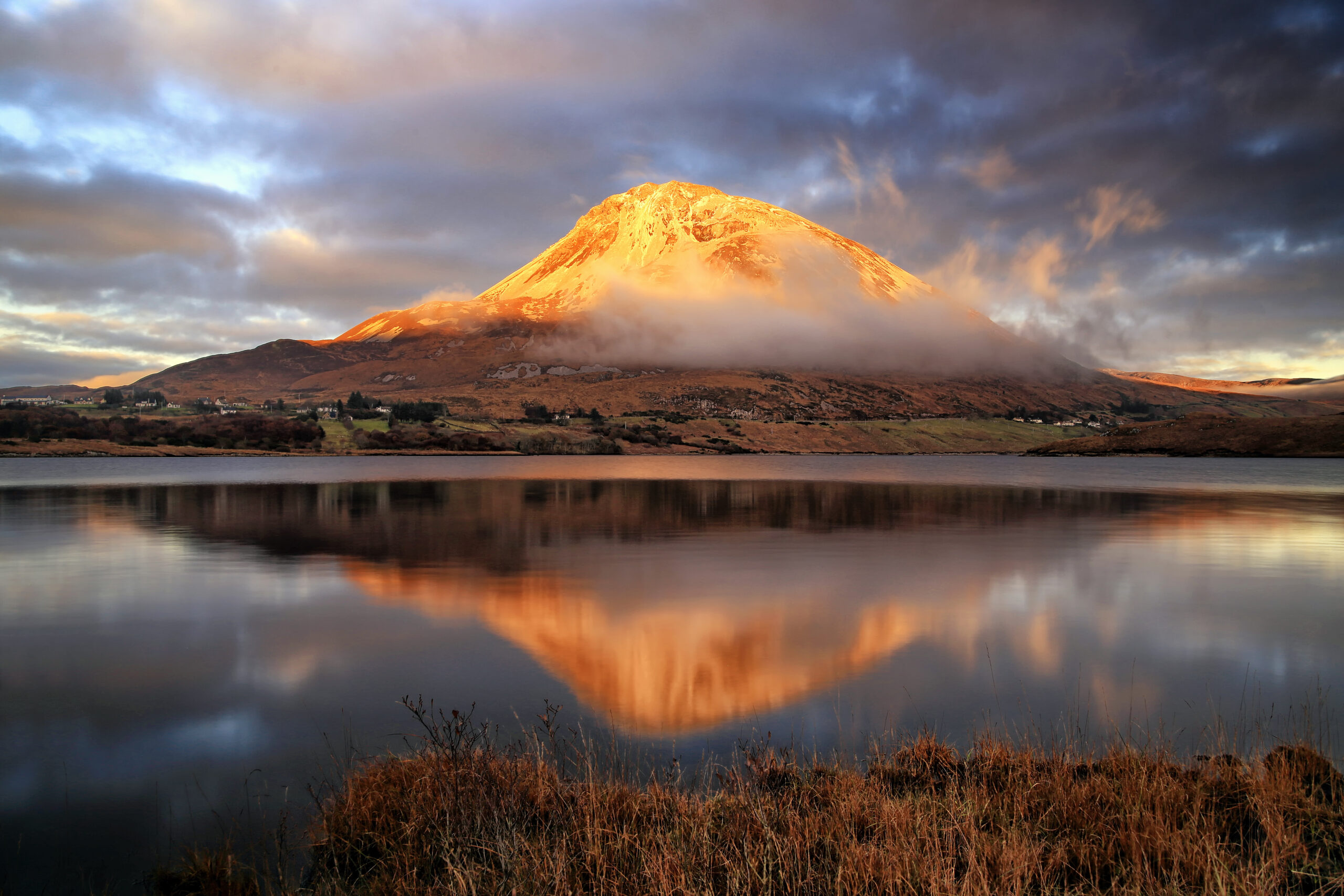
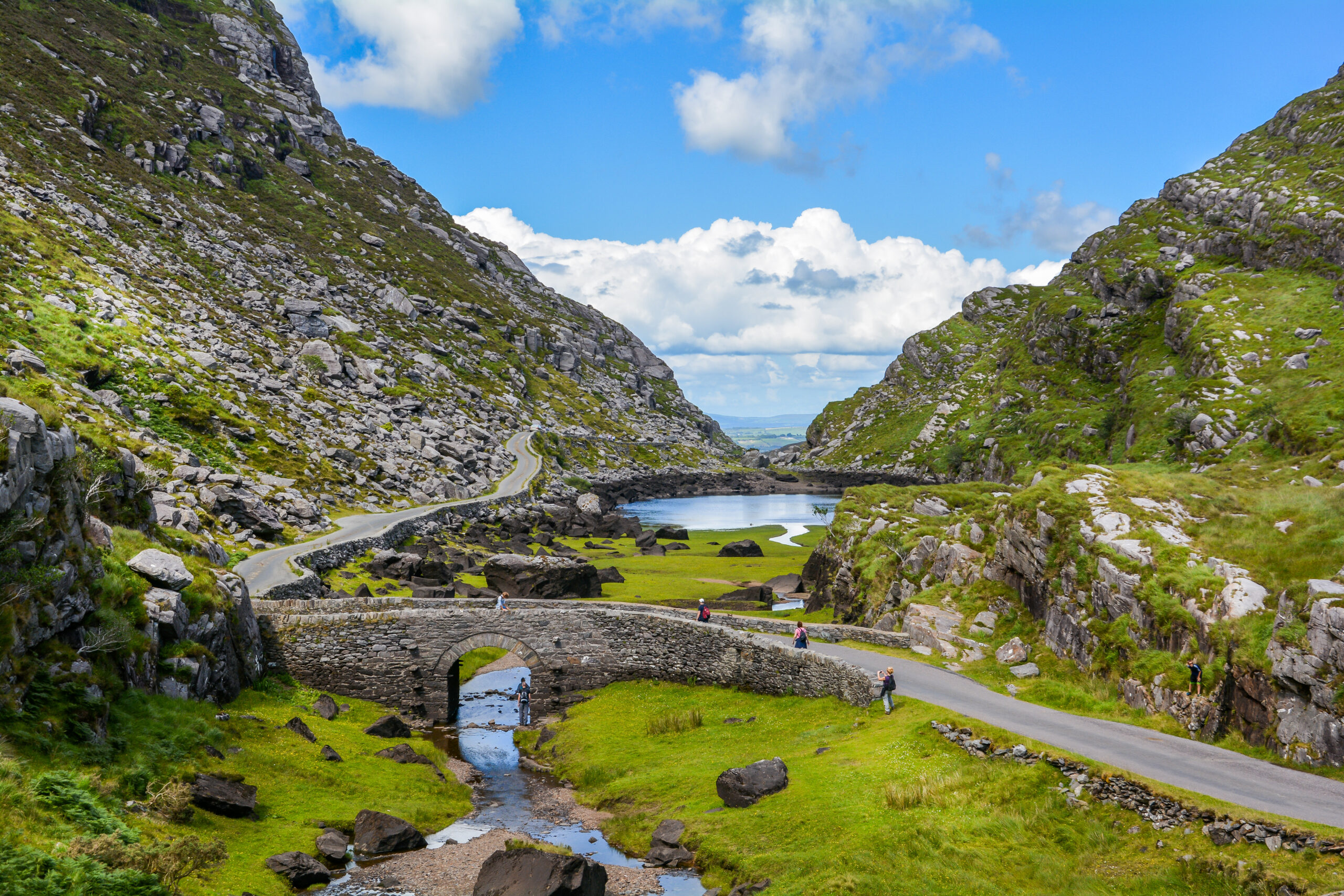
Ireland may be small in size, but it offers an extraordinary variety of destinations. Within a single journey, travellers can move from vibrant cities and historic towns to remote coastal landscapes, island communities, and deeply rural regions where traditional ways of life endure. Destinations in Ireland reflect a powerful sense of place shaped by history, geography, language, and culture, and it is this diversity that makes travel here so rewarding.
This expert guide explores Ireland’s most compelling destinations in depth, offering insight into what makes each region unique and how travellers can experience the island in a meaningful, balanced, and unhurried way. Rather than rushing from highlight to highlight, Ireland rewards those who slow down, focus on fewer regions, and engage with the landscapes and communities they encounter.
Dublin and the East Coast
Dublin is Ireland’s capital and its largest city, serving as a cultural, literary, and social hub. Compact and walkable, the city blends historic architecture with a youthful energy, creating a destination that feels both historic and modern.
Dublin is particularly known for:
- Its literary heritage, with figures such as James Joyce, W.B. Yeats, Oscar Wilde, and Samuel Beckett deeply connected to the city
- Historic landmarks including Trinity College, Dublin Castle, and St Patrick’s Cathedral
- A lively food, pub, and music scene that reflects both tradition and innovation
Neighbourhoods such as Temple Bar, St Stephen’s Green, and the Docklands each offer a different perspective on the city. Museums, galleries, and cultural institutions provide insight into Ireland’s past and present, while coastal suburbs such as Howth and Dún Laoghaire offer easy escapes to the sea.
The East Coast Beyond Dublin
Beyond the capital, Ireland’s east coast reveals gentler landscapes, historic estates, and charming coastal villages. This region is ideal for travellers who enjoy scenic drives, heritage sites, and a relaxed pace of exploration.
Highlights include:
- Malahide Castle and its demesne
- The Boyne Valley, rich in archaeological and historical significance
- Traditional seaside towns with long maritime histories
The east coast is often overlooked in favour of Ireland’s western regions, but it offers an excellent introduction to the country’s history and daily life.
The Wicklow Mountains – The Garden of Ireland
Just south of Dublin lie the Wicklow Mountains, often referred to as the “Garden of Ireland.” This region offers a striking contrast to the capital, with rolling hills, deep valleys, glacial lakes, and extensive walking trails.
The Wicklow Mountains are defined by:
- Scenic mountain drives and panoramic viewpoints
- Well-maintained hiking and walking routes
- A strong monastic and early Christian heritage
One of the region’s most important sites is Glendalough, a monastic settlement founded in the 6th century. Set among lakes and wooded hills, it is both a spiritual and natural landmark. Wicklow also features historic estates, waterfalls, and traditional villages that make it ideal for day trips or short stays.
Ireland’s Ancient East
Ireland’s Ancient East is a region shaped by more than 5,000 years of history. Rather than focusing on dramatic scenery alone, this area invites travellers to explore the stories, myths, and human experiences that have shaped the island.
Key features of Ireland’s Ancient East include:
- Neolithic monuments such as Newgrange, older than the pyramids of Egypt
- Medieval towns like Kilkenny, known for its castle and narrow streets
- Castles, abbeys, and historic ruins scattered throughout the countryside
This region is particularly well suited to travellers with an interest in heritage, archaeology, and storytelling. Guided experiences and interpretive centres help bring history to life, offering context that enriches each visit.
The Wild Atlantic Way
Stretching along Ireland’s west coast from County Donegal to County Cork, the Wild Atlantic Way is one of the world’s longest defined coastal routes. It is home to many of Ireland’s most iconic and dramatic destinations, shaped by the Atlantic Ocean and centuries of human resilience.
The Wild Atlantic Way is characterised by:
- Dramatic cliffs and headlands
- Remote beaches and islands
- Traditional villages with strong cultural identities
- Ever-changing weather and light
Travelling this route rewards patience and flexibility, as some of its most memorable moments come from unplanned stops and quiet detours.
Galway and Connemara
Galway is one of Ireland’s most vibrant cities, known for its artistic spirit, traditional music, and strong links to the Irish language. Streets are lively year-round, with festivals, markets, and performances creating a dynamic atmosphere.
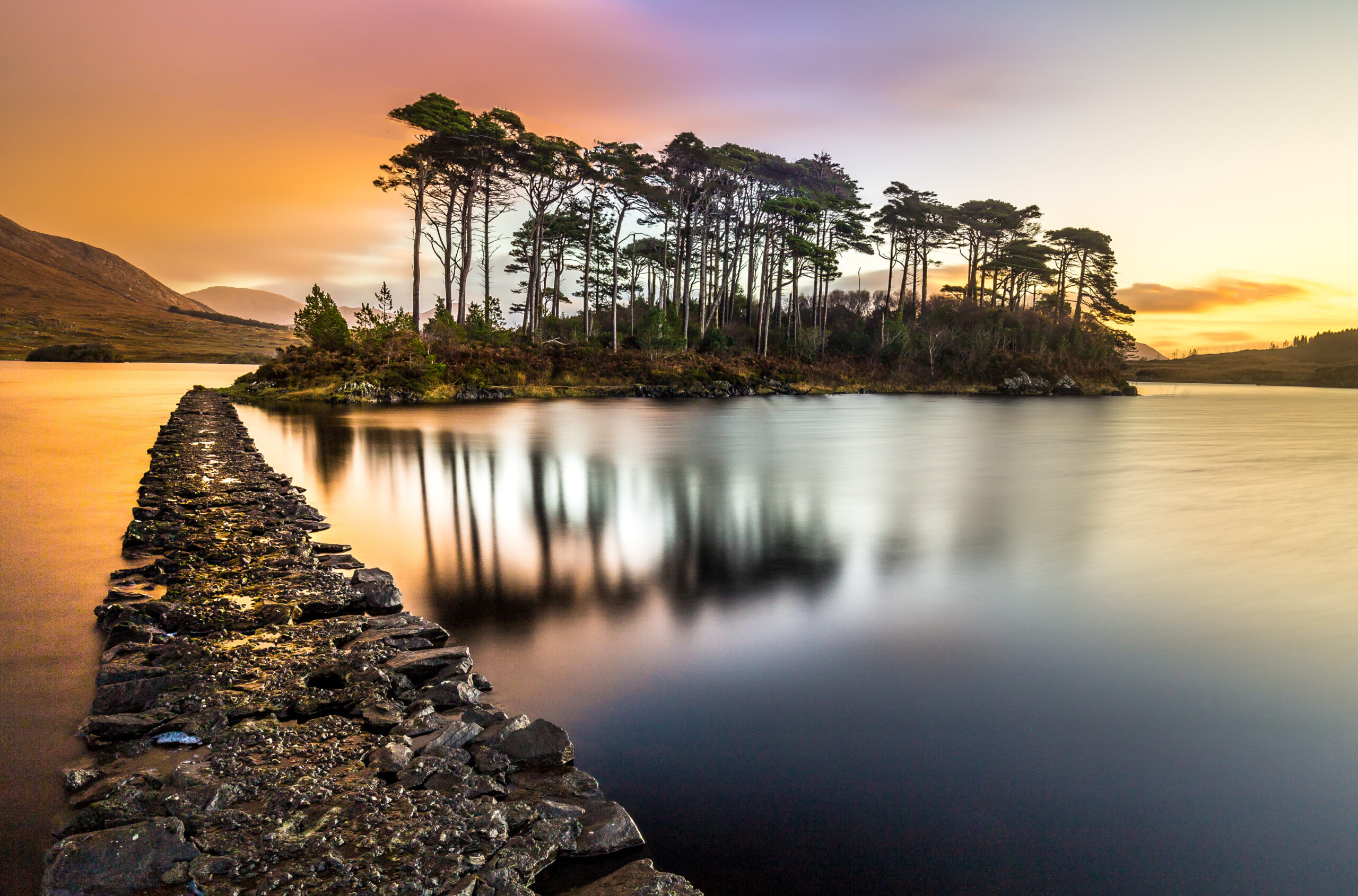
Beyond the city lies Connemara, a region of raw natural beauty defined by mountains, lakes, boglands, and a rugged coastline. Connemara National Park offers walking trails and wildlife, while small villages preserve traditional ways of life. This area appeals strongly to travellers seeking wild landscapes and cultural authenticity.
County Clare and the Burren
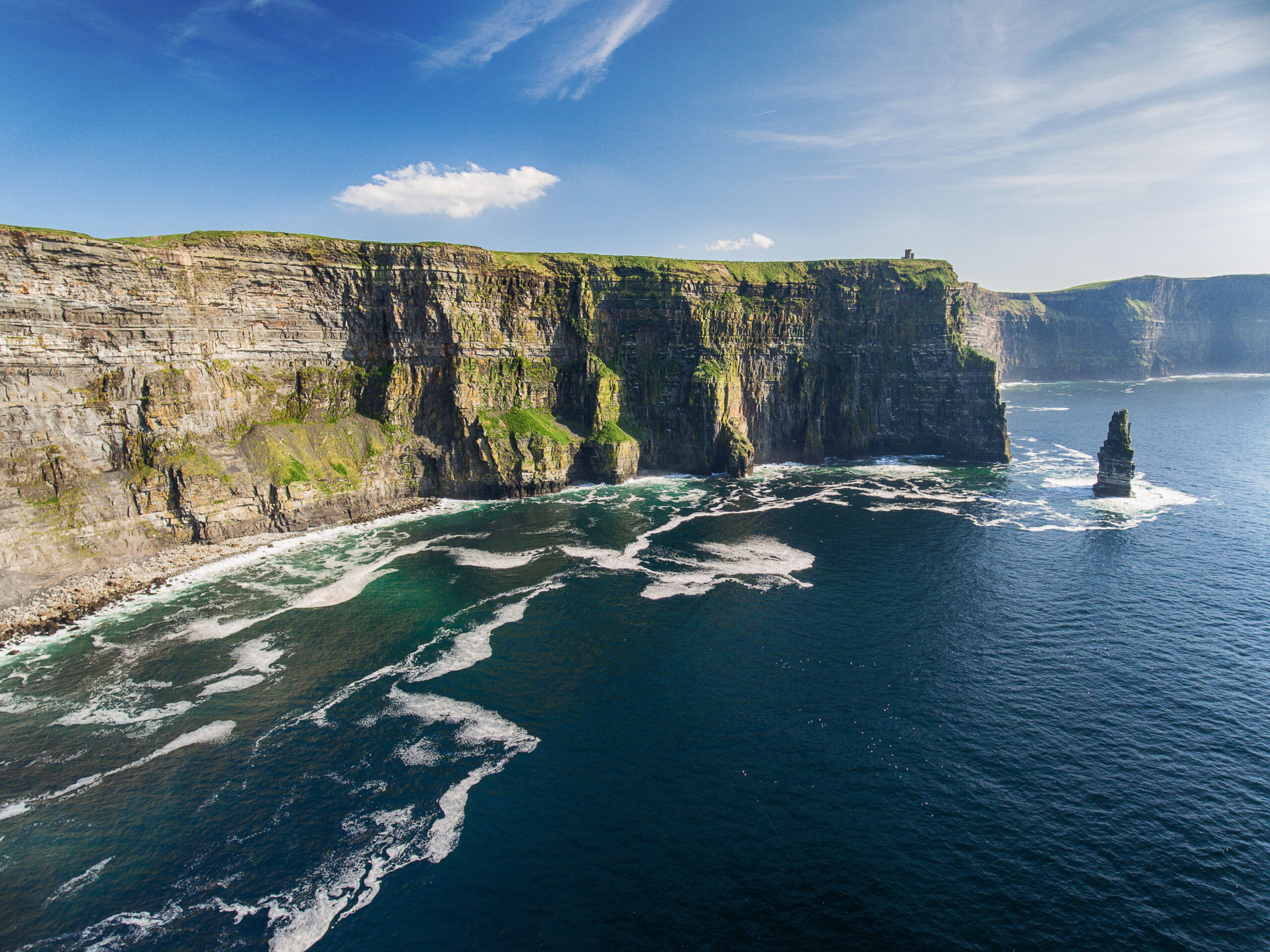
County Clare is home to some of Ireland’s most recognisable natural landmarks, including the Cliffs of Moher. Inland, the Burren presents a striking limestone landscape unlike anywhere else in Europe.
The Burren is notable for:
- Rare plant species and unique geology
- Ancient tombs and early settlements
- A strong sense of place shaped by farming traditions
Together, coastal Clare and the Burren combine natural drama with deep history.
Kerry and the South West
The south-west of Ireland is renowned for its scenic richness and cultural depth. County Kerry, in particular, is one of Ireland’s most visited regions, and with good reason.
Highlights include:
- Killarney National Park, with its lakes, mountains, and woodlands
- The Dingle Peninsula, known for its coastal scenery and Irish-speaking communities
- Traditional towns and villages that reflect strong local identity
The region offers opportunities for walking, photography, cultural encounters, and scenic driving, making it a cornerstone of many Irish itineraries.
Donegal and the North West
Donegal, located in Ireland’s north-west, is one of the country’s least developed and most remote regions. It is defined by vast open spaces, dramatic coastline, and a strong sense of independence.
Donegal is known for:
- Remote beaches and towering sea cliffs
- Mountain landscapes and quiet inland valleys
- Living traditions of music, language, and craft
This region appeals to travellers seeking solitude, authenticity, and unspoilt scenery. Its slower pace and limited infrastructure encourage longer stays and deeper engagement with the landscape.
Northern Ireland
Northern Ireland adds both geographical and historical depth to an Irish journey. Easily combined with the Republic of Ireland, it offers a distinctive perspective shaped by recent history and strong regional identity.
Key destinations include:
- Belfast, a city transformed by regeneration and cultural revival
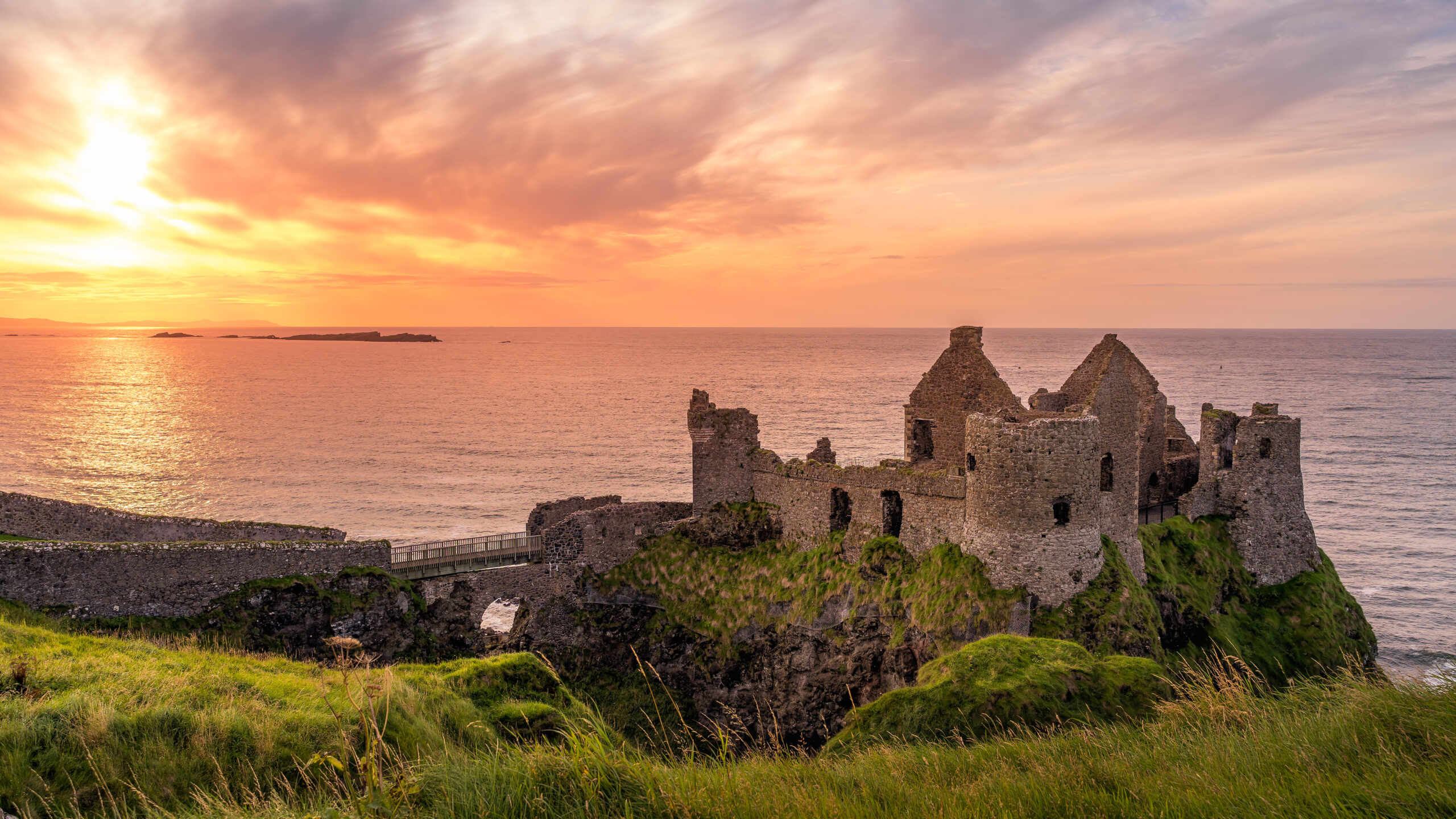
- The Giant’s Causeway, a UNESCO World Heritage Site
- The Causeway Coastal Route, one of Europe’s most scenic drives
Northern Ireland’s landscapes rival those of the west coast, while its cities provide insight into contemporary Irish history and society.
Ireland’s Islands
Ireland’s offshore islands preserve some of the most traditional aspects of Irish life. Shaped by isolation and the sea, island communities maintain strong cultural practices and close ties to the natural environment.
Notable islands include:
- The Aran Islands, known for stone walls, ancient forts, and Irish language
- The Great Blasket Island, a place of literary and cultural significance
- Inishbofin, offering rugged beauty and a close-knit community
Island visits add a memorable and often deeply moving dimension to any Irish journey.
Cities, Towns, and Villages
Beyond major cities, Ireland’s towns and villages form the backbone of its character. Places such as Dingle, Westport, Kinsale, and Kenmare are defined by strong community identity, local food traditions, and regional culture.
Spending time in smaller towns allows travellers to:
- Experience everyday Irish life
- Support local businesses
- Enjoy a slower and more personal travel experience
Choosing the Right Destinations for Your Trip
When planning an itinerary in Ireland, thoughtful selection of destinations is essential. Travellers should consider:
- Travel pace and available time
- Personal interests and activities
- Seasonal factors such as weather and daylight
Combining fewer regions often results in a richer and more rewarding experience, allowing time for exploration beyond the obvious highlights.
Frequently Asked Questions About Destinations in Ireland
How many destinations should I visit?
Most travellers benefit from focusing on two to four regions, depending on trip length.
Are rural destinations accessible?
Yes. With planning, rural Ireland is accessible by car, private tour, and guided experiences.
Can destinations be combined easily?
Yes. Ireland’s compact size makes multi-region travel straightforward, particularly when routes are planned carefully.
Discovering Ireland, One Place at a Time
Ireland’s destinations are best experienced with curiosity and patience. Each region offers its own rhythms, landscapes, and stories, shaped by both nature and human history.
By taking time to explore beyond the obvious, travellers discover an Ireland that feels both deeply rooted and endlessly surprising—an island defined as much by its people and places as by its scenery.