Scotland Through the Seasons, When to Visit and Why It Matters
Introduction
Scotland is not a country that looks the same throughout the year. It shifts, transforms, and reinvents itself with each passing season. Light changes, weather patterns move quickly, and landscapes respond in ways that feel both subtle and dramatic.
For many travellers, choosing when to visit Scotland seems like a simple question. However, the answer depends on far more than temperature or rainfall. Each season offers a completely different experience, shaping not only what you see, but also how you feel as you explore the country.
Spring brings renewal and fresh colour. Summer stretches days into long, golden evenings. Autumn paints the land in warm tones and deep shadows. Winter strips everything back, revealing a raw and powerful beauty beneath.
Understanding these seasonal changes allows travellers to plan more meaningful journeys. It helps set expectations, shape itineraries, and create experiences that feel aligned with the landscape itself.
In this guide, we will explore Scotland through the seasons, not just in terms of weather, but in atmosphere, light, and emotion.
1. Spring in Scotland, A Season of Renewal
Spring arrives slowly in Scotland. After the long winter months, the landscape begins to wake gradually. Days grow longer, temperatures rise gently, and colour returns to hills, forests, and fields.
At first, the changes feel subtle. Buds appear on trees. Rivers run strong with snowmelt from higher ground. Light softens, creating a fresh clarity across the landscape.
As the season progresses, signs of life become more visible. Lambs appear in fields across the countryside. Wildflowers begin to spread across woodland floors and open hillsides. Birds return, filling the air with sound.
Spring offers a quieter travel experience compared to summer. Popular destinations remain relatively calm, allowing visitors to explore without large crowds. Roads feel less busy, and accommodation often becomes easier to find.
Weather during this time can vary. Some days bring clear skies and gentle sunshine. Others may still feel cold or wet. However, this variation adds character to the experience. Changing conditions create shifting light and atmosphere throughout the day.
Certain regions stand out during spring. The Scottish Borders, for example, feel particularly vibrant as gardens and fields come into bloom. Woodland areas such as Glen Affric offer a mix of fresh greenery and reflective water.
Spring suits travellers who enjoy calm exploration. It rewards those who prefer quieter landscapes and softer colours. While it may not guarantee perfect weather, it offers a sense of renewal that feels deeply connected to the land.
2. Summer in Scotland, Long Days and Open Horizons
Summer transforms Scotland in a dramatic way. Days stretch far into the evening, particularly in the north where twilight lingers close to midnight.
This extended daylight changes how people travel. Visitors have more time to explore, often fitting multiple experiences into a single day. Early mornings and late evenings both become ideal for sightseeing.
The landscape reaches its fullest expression during summer. Hills turn deep green. Coastal waters appear brighter. Wildflowers spread across open spaces, adding colour to fields and glens.
This season also brings the warmest temperatures of the year. While Scotland rarely experiences extreme heat, summer conditions feel comfortable for walking, driving, and outdoor activities.
As a result, summer becomes the busiest time for tourism. Popular destinations such as the Highlands and islands attract large numbers of visitors. Roads, especially in scenic areas, can become crowded during peak times.
However, the size of Scotland’s landscape means that quieter places still exist. Travelling early in the morning or later in the evening often helps avoid crowds.
Summer offers excellent opportunities for exploring islands. Ferry routes operate more frequently, and calmer seas improve access to remote locations. Beaches appear particularly striking under bright skies, with clear water reflecting sunlight.
At the same time, wildlife becomes more active. Seabirds gather along cliffs, and marine life appears more frequently along coastlines.
Overall, summer provides energy and vibrancy. It suits travellers who want to experience as much as possible and enjoy long, active days.
3. Autumn in Scotland, Colour and Atmosphere
Autumn introduces a quieter, more reflective mood across Scotland. As summer crowds begin to fade, the landscape shifts in both colour and tone.
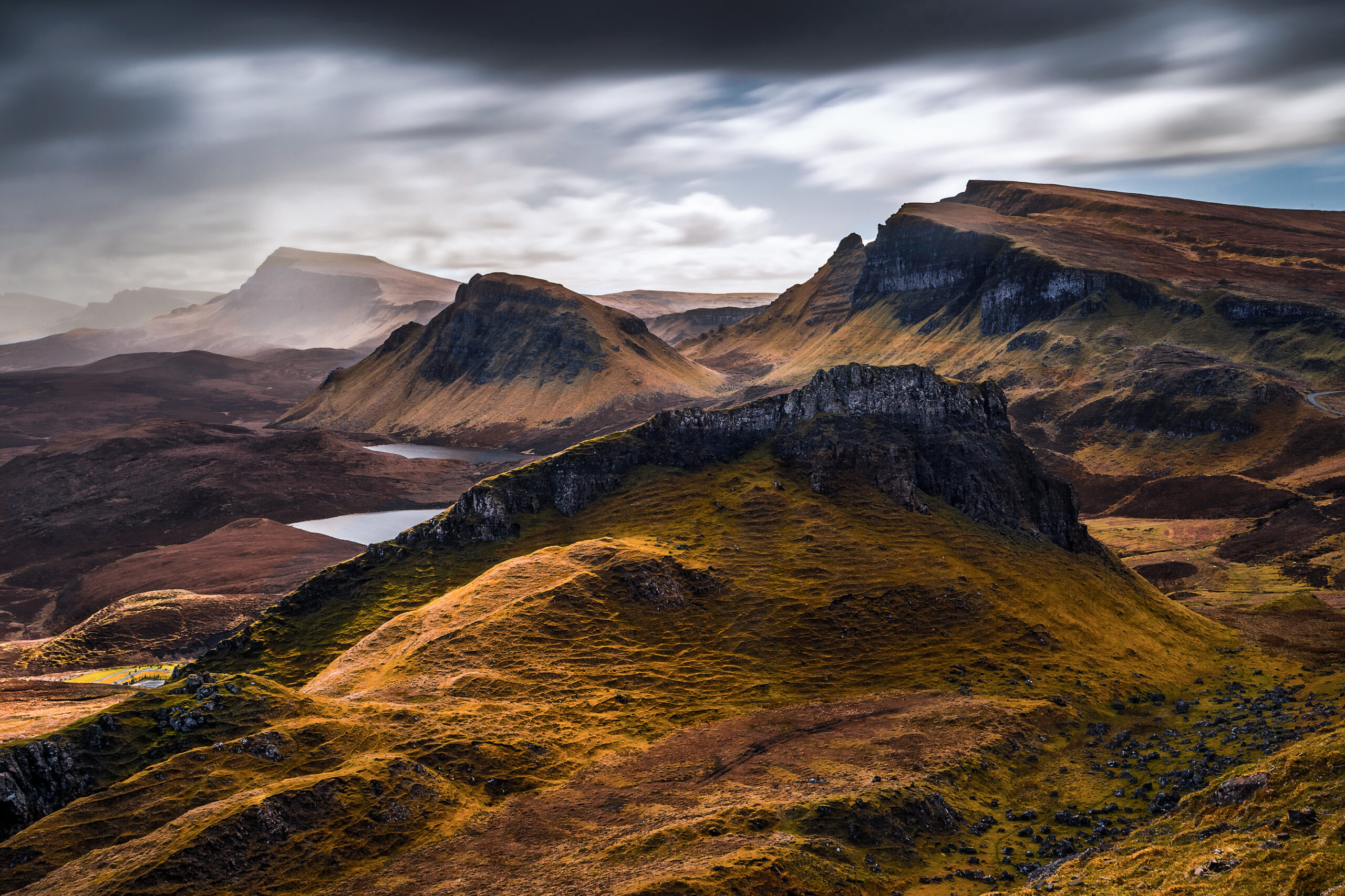
Forests transform first. Leaves turn shades of gold, orange, and deep red. These colours spread gradually across hills and valleys, creating striking contrasts against darker evergreens and grey stone.
Light changes noticeably during this season. The sun sits lower in the sky, casting longer shadows and adding warmth to the landscape. As a result, mornings and evenings often feel particularly atmospheric.
Autumn also brings cooler temperatures. Air feels crisp, especially in the mornings. Mist frequently settles in valleys, slowly lifting as the day progresses.
This season offers excellent conditions for photography. The combination of colour, light, and weather creates dynamic scenes that change throughout the day.
Wildlife activity increases during autumn as well. Red deer enter their rutting season, and their calls echo across Highland glens. This natural event adds both sound and movement to the landscape.
Tourism begins to slow, making it easier to explore popular areas without crowds. Accommodation becomes more available, and roads feel less busy.
Regions such as Perthshire and the Cairngorms stand out during autumn. Forests in these areas display particularly vibrant colours, while mountain backdrops enhance the visual impact.
Autumn suits travellers who appreciate atmosphere over activity. It rewards those who enjoy slower exploration, dramatic light, and a deeper connection to the environment.
4. Winter in Scotland, Raw Beauty and Quiet Landscapes
Winter reveals a different side of Scotland. The landscape becomes quieter, more dramatic, and often more challenging to explore.
Days shorten significantly during this season. Darkness arrives early, especially in northern regions. However, this creates a unique rhythm, where daylight feels more focused and intentional.
Snow often covers higher ground, particularly in the Highlands. Mountains appear sharper and more defined against pale skies. Frost settles across fields and forests, adding texture and brightness to the landscape.
Despite colder temperatures, winter brings moments of remarkable clarity. On calm days, visibility can extend for miles, revealing distant peaks and wide horizons.
This season also offers some of the quietest travel conditions. Many popular destinations feel almost empty, allowing visitors to experience Scotland in a more personal way.
Coastal areas take on a dramatic quality during winter storms. Waves crash against cliffs, and wind sweeps across open land. These conditions highlight the power of nature in a way that feels both intense and unforgettable.
Winter also creates opportunities for unique experiences. In northern regions, the possibility of seeing the Northern Lights adds an extra layer of excitement. While sightings are never guaranteed, clear nights sometimes reveal subtle colours moving across the sky.
Travelling during winter requires preparation. Weather conditions can affect roads, particularly in remote areas. Short daylight hours also require careful planning.
However, for those willing to embrace these challenges, winter offers something special. It reveals Scotland in its most raw and honest form.
5. Choosing the Right Season for Your Journey
Selecting the best time to visit Scotland depends on personal preference rather than a single ideal season.
Travellers who enjoy calm and quiet landscapes may prefer spring or autumn. These seasons provide space to explore while still offering changing scenery and interesting weather.
Those who want longer days and a full range of activities may find summer more suitable. Despite higher visitor numbers, the extended daylight creates flexibility and opportunity.
Visitors seeking dramatic scenery and solitude may find winter particularly rewarding. Although conditions can be more demanding, the experience often feels unique and memorable.
It is also important to consider travel style. Photographers may prefer autumn or winter for light and atmosphere. Walkers may enjoy summer for longer daylight hours. Those interested in wildlife may find spring and autumn more active.
Ultimately, Scotland offers value in every season. The key lies in understanding what each time of year provides and aligning it with personal expectations.
6. Seasonal Travel Tips for Scotland
Planning a trip around Scotland’s seasons requires flexibility. Weather changes quickly, and conditions rarely remain consistent throughout the day.
Packing appropriately becomes essential. Layered clothing allows travellers to adjust to shifting temperatures. Waterproof items remain useful in all seasons, not just during winter.
Timing also plays an important role. Starting days early or extending them into the evening often improves the experience, especially during summer.
In addition, travellers should allow extra time for journeys. Scenic routes encourage slower travel, and unexpected stops often become highlights.
Booking accommodation in advance is advisable during summer. In contrast, spring, autumn, and winter often provide more flexibility.
Understanding daylight hours helps with planning. Summer offers extended exploration time, while winter requires a more structured approach.
By adapting to seasonal conditions, travellers can experience Scotland more comfortably and fully.
7. Regional Differences Across the Seasons
Scotland’s seasons do not arrive evenly across the country. Geography plays a major role in shaping how each region experiences the year. As a result, the same season can feel very different depending on where you travel.
The west coast, for example, often experiences milder temperatures due to the influence of the Atlantic Ocean. However, it also receives more rainfall. This creates lush, green landscapes that feel vibrant even in cooler months. During spring and summer, the west becomes rich in colour, while autumn adds depth through shifting light and mist.
In contrast, the east coast tends to be drier. Areas such as Aberdeenshire and Angus often enjoy clearer skies, particularly in spring and early summer. This makes them ideal for travellers seeking more stable weather conditions.
The Highlands introduce another variation. Higher elevations mean cooler temperatures throughout the year. Snow can remain on mountain peaks well into spring, while winter conditions often arrive earlier and last longer.
Meanwhile, the islands each carry their own seasonal identity. The Outer Hebrides feel shaped by wind and sea, where weather changes quickly but often creates dramatic skies and light. Orkney, with its wide horizons and open landscapes, offers striking seasonal contrasts, particularly during winter storms and long summer evenings.
Understanding these regional differences helps travellers plan more effectively. It allows for flexibility and encourages exploration beyond a single area.
Rather than seeing Scotland as one uniform destination, it becomes a collection of landscapes, each responding differently to the changing seasons.
8. Festivals and Seasonal Events
Throughout the year, Scotland’s calendar fills with festivals and events that reflect both cultural heritage and seasonal change. These gatherings add another dimension to travelling through the country.
Spring begins to reawaken communities, and smaller local events start to appear. Agricultural shows and regional festivals celebrate new life and changing weather. These events often feel authentic and closely tied to local traditions.
Summer brings the busiest festival season. Cities such as Edinburgh become cultural centres, hosting world famous events that attract visitors from across the globe. Street performances, theatre, music, and art fill public spaces, creating an energetic atmosphere.
At the same time, rural areas host Highland Games. These events combine sport, music, and tradition. Visitors can watch athletic competitions, listen to pipe bands, and experience a strong sense of community pride.
Autumn shifts the focus slightly. Food and drink festivals become more prominent, celebrating local produce and seasonal harvests. Whisky events also take place, offering insight into Scotland’s distilling heritage.
Winter introduces some of the most atmospheric celebrations. Hogmanay marks the New Year with fire, music, and shared tradition. In certain regions, fire festivals light up the dark evenings, creating powerful visual displays that connect to ancient customs.
These seasonal events provide more than entertainment. They allow visitors to experience Scotland as a living culture, shaped by history but actively celebrated in the present.
9. Travelling Responsibly Through the Seasons
As more travellers seek out Scotland’s landscapes, responsible travel becomes increasingly important. Each season presents different challenges and opportunities when it comes to protecting the environment.
During summer, higher visitor numbers can place pressure on popular locations. Parking areas fill quickly, paths experience more wear, and wildlife may become disturbed. Choosing lesser known locations or visiting early in the day helps reduce impact.
Spring and autumn offer opportunities for more balanced travel. With fewer crowds, visitors can spread out across different regions, helping to protect heavily visited areas.
Winter requires particular awareness. Weather conditions can make certain routes hazardous, especially in remote areas. Travellers should prepare carefully, check forecasts, and respect local advice.
Across all seasons, simple actions make a difference. Staying on marked paths helps preserve fragile landscapes. Taking litter away protects wildlife and maintains natural beauty. Supporting local businesses strengthens communities.
Responsible travel ensures that Scotland’s landscapes remain as powerful and inspiring for future visitors as they are today.
Scotland in Every Season
Scotland does not offer a single perfect moment to visit. Instead, it offers a series of changing experiences, each shaped by season, light, and atmosphere.
Spring introduces freshness and quiet renewal. Summer brings energy and long, open days. Autumn adds colour and depth, while winter reveals raw beauty and stillness.
Each season changes not only the appearance of the landscape, but also the way it feels. A glen in summer feels open and vibrant. The same place in winter may feel calm and reflective.
Understanding these differences allows travellers to connect more deeply with the country. Rather than simply visiting locations, they begin to experience Scotland as something living and constantly evolving.
No matter when you choose to travel, Scotland offers something meaningful. The key is to embrace the season, adapt to its rhythm, and allow the landscape to guide the journey.
In doing so, you will discover that Scotland is not defined by a single view or moment. It is defined by change, variety, and the quiet beauty that emerges throughout the year.